24/7 FSE Hotline +1-800-558-0124 · [email protected] EN · ES · FR-CA
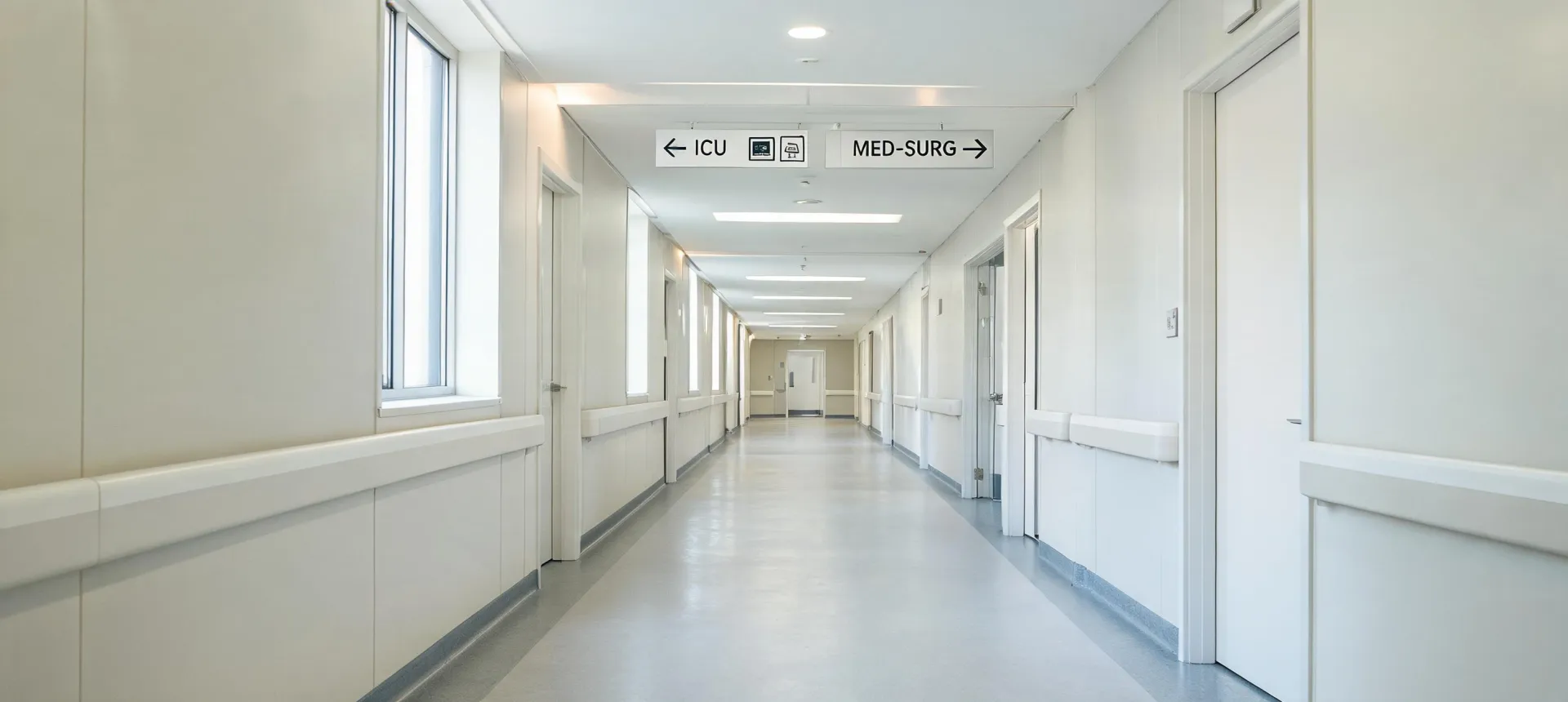
Hospital corridor leading to critical care units

Clinical Applications by Care Setting

Icu Medical devices are engineered for the workflow of each care environment—from tertiary ICUs to four-bed critical access hospitals and home health transitions.

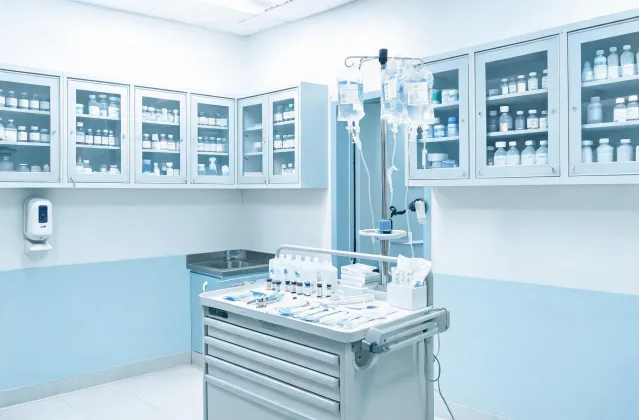
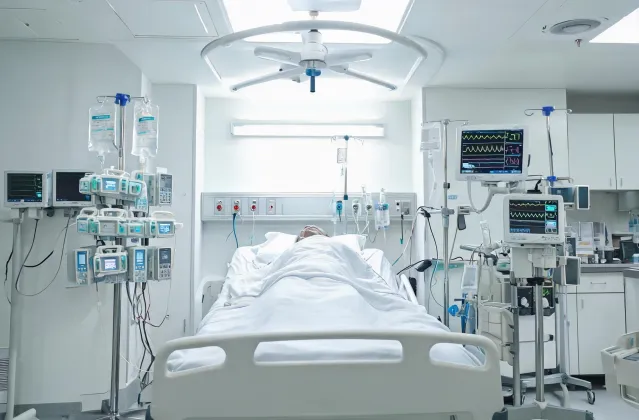
Tertiary hospital ICU

Hospitals (Tertiary & Community)

Multi-channel infusion with DERS library governance, ventilator-adjacent life-support accessories, SpO2 accuracy checks under motion, and HL7 FHIR observation delivery to Epic/Cerner targets. Confirm IEC 60601-1-8 alarm priority against your ICU policy before fleet refresh.
Ambulatory surgical center

Ambulatory Surgical Centers

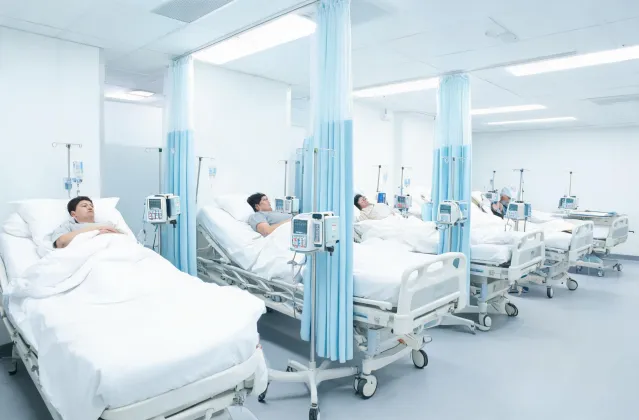
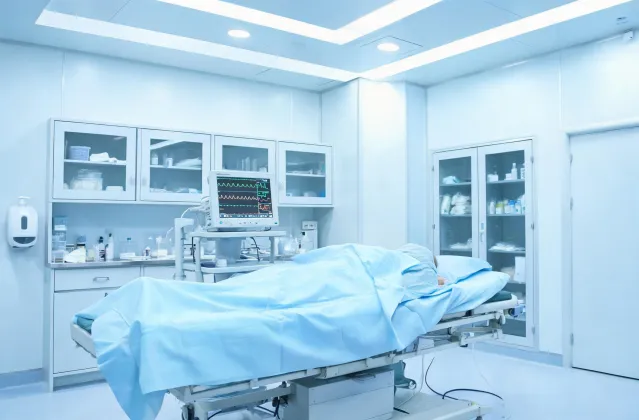
Short-stay PCA and secondary infusions, compact vital-signs packs, and rapid room turnover. Prefer references with battery runtime documented at configured load and UDI-labeled disposable sets that match your reprocessing or single-use policy.

Specialty clinic monitoring

Specialty Clinics

Cardio, infusion, and pulmonary clinics with moderated acuity. Match SpO2 sensor family, perfusion limits, and EMR downtime retry plans to clinic hours rather than copying tertiary ICU monitor density.

Skilled nursing facility

Skilled Nursing & LTC

Caregiver-first UI, battery planning for hallway transport, and escalation scripts when SpO2 or infusion alarms require hospital transfer. Service SLAs should state rural twenty-four-hour on-site targets and loaner logistics.

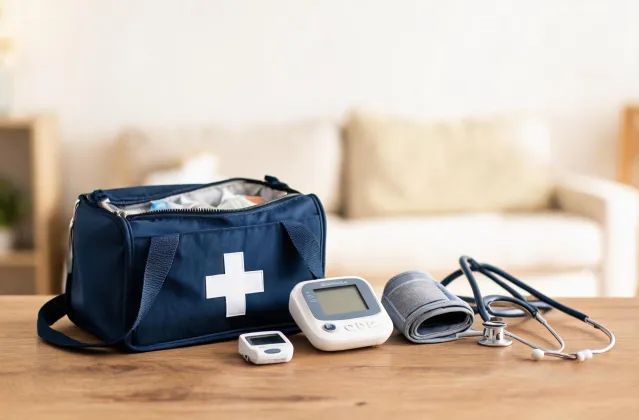
Home health visit setup

Home Health Agencies

Discharge bundles, teach-back checklists, and remote observation fallback. For home respiratory pathways, separate CPAP/APAP first-line OSA plans from BiPAP/ASV indications instead of cloning hospital ventilator menus into the home setting.

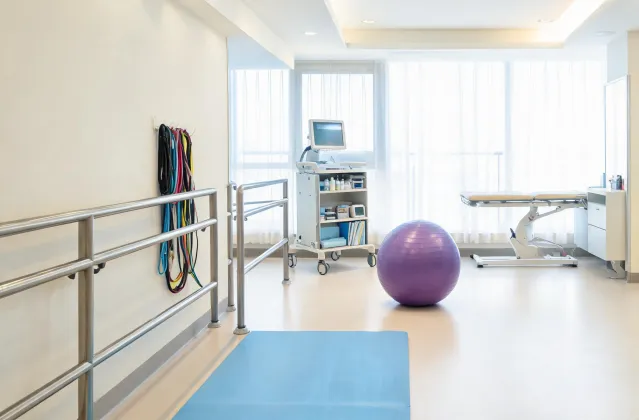
Rehabilitation facility therapy gym

Rehabilitation Facilities

Step-down monitoring with therapy-compatible vital-signs carts, portable SpO2 checks during ambulation, and preventive maintenance windows that do not collide with peak therapy blocks.

6,200+Hospital pathways scoped
1,800+ASC briefs reviewed
480+Specialty clinic maps
120+Home health programs

Method trade-off

CPAP / APAP vs BiPAP / ASV for Home Respiratory Pathways

Sleep medicine and pulmonology teams still disagree on first-line home device choice. Icu Medical advisors present both sides before you lock a formulary—not a one-path pitch.

CPAP / APAP

Proven first-line therapy for moderate–severe OSA, lower device cost, simpler titration, broad insurance coverage, and strong long-term adherence data when mask fit and pressure comfort are managed. Weakness: may be poorly tolerated at high pressures and is not indicated for complex or central sleep apnea where ASV pathways apply.

BiPAP / ASV

Better tolerated when patients need higher pressures; indicated for complex sleep apnea, COPD overlap, and selected central apnea patterns. Supports non-invasive ventilation transitions. Weakness: higher cost, narrower coverage rules, and more titration / monitoring burden for home health agencies.

Reference specs to verify

Parameters Value Analysis Should Request by SKU

ParameterTypical planning rangeWhy it matters
Tidal volume range20–2000 mL (mode-dependent)Neonatal through adult life-support pathways cannot share one unverified range.
SpO2 measurement0–100%, labeled accuracy ±2% (70–100%)Motion/perfusion limits differ by sensor family and must match IFU claims.
PEEP / FiO2 controlsMode and circuit dependentHome BiPAP menus are not interchangeable with ICU ventilator PEEP/FiO2 tooling.
Regulatory routeFDA 510(k) cleared / CE marked under MDR 2017/745Confirm K-number, intended use, and Notified Body context per exact reference.

Known selection limits

  • Interoperability claims require identity matching, timestamp policy, and downtime retry tests against your EMR—brochure HL7 FHIR wording alone is insufficient.
  • Urban four-hour MTTR targets only apply when depot stocking and loaner pools are written into the SOW; rural coverage is typically twenty-four-hour on-site.
  • Single-use disposable sets reduce reprocessing liability but raise per-procedure cost and waste; reusable pathways need ANSI/AAMI ST91 / ISO 17664 validation evidence.

Find your care setting → see relevant devices

Browse Devices